Slideshow

Get the Flash Player to see the slideshow.

Why?

“Some People see things as they are and ask Why … I Dream things that never were and ask Why Not ” Robert F.Kennedy “

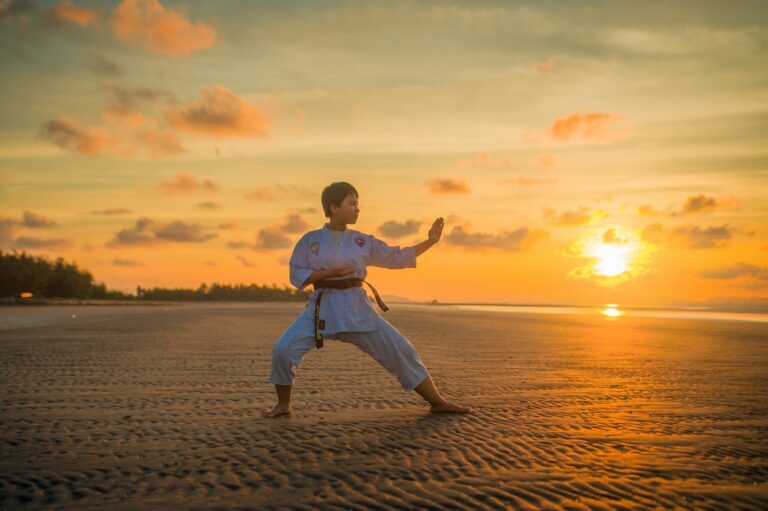
beautiful clouds and sunsets from my travels abroad and coming back home

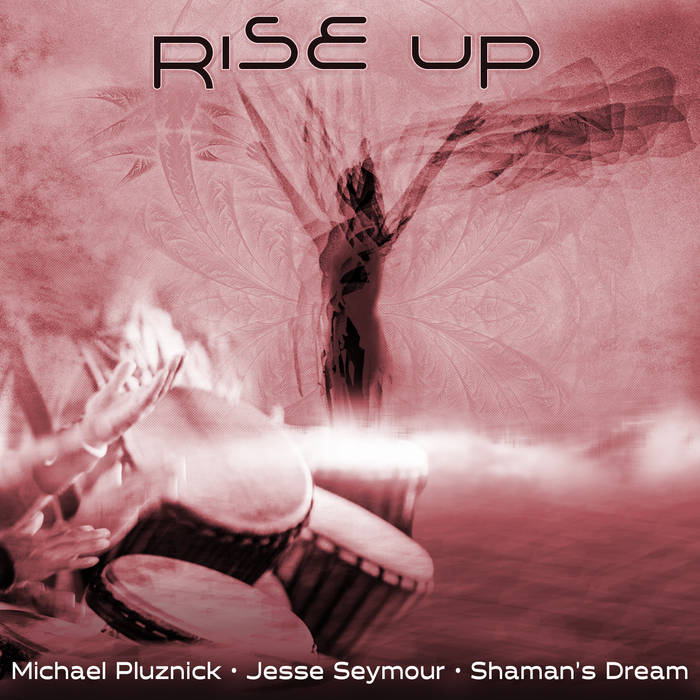
clouds, sunsets and world music and world percussion by Barababaja Percussion Ensemble of the BIg Island and SF, California.

Vocals (part one) by Zahira and part two by Boaz Hashimoto Martin. Photos by Michael Pluznick. Percussion by Jesse Seymour and Michael Pluznick.

Memorial Day Weekend in Northern California: Carnaval 2010 and Mosswood Park, Oakland!

Memorial Day weekend was beautiful and truly “memorial” with Carnaval 2010 in San Francisco  and also the well attended and amazing West African, Afro Cuban, Ewe (Ghana) and Brasilian (Brazilian) drum and dance party in Mosswood  Park, Oakland , California!

CK Ladzepko Ghanain (Ewe) drum master performs in Mosswood Park, Oakland California part 1

Ewe drumming

Ewe drumming is very diverse and is played in many slightly different ways here and in West Africa as well. The example here is played by Ewe master drummer CK Ladzepko from Ghana.   An Ewe musician from Togo may play a piece or instrument slightly differently from the way an Ewe from Ghana does. The Fon people of Benin also play and perform this music. They construct their villages, towns, and cities on water, and because of this, they do not play the same upright drums other Ewe play. Instead, they place large gourds (calabash) cut in half and played on water as drums.

An Ewe drumming ensemble consists of several drums, a bell called a Gangokoi and a rattle type instrument called and axatse (pronounced ah-hah-chay). Each ensemble usually has a master drum and a group of secondary drummers. A gankogui player uses no variation.

The atoke is a forged-iron bell instrument and is shaped somewhat like a boat or a banana. It is held in the palm of the player’s  hand and is played with a small forged-iron rod, held in the player’s strong hand. The atoke serves the same purpose as the gankogui and is sometimes used instead of or a substitute for the gankogui. The gankogui bell and atoke come in many various sizes.

The axatse is a rattle-like instrument which is basically a hollowed-out gourd covered with a net of seeds or beads. . It is held at the handle and in the players strong hand and is shaken up hitting the hand and down hitting the thigh making two different sounds. The axatse usually plays the same thing that the bell plays but with some extra added notes in between the beats. It can be described as the eighth note version of what the gankogui plays. It has also been described as enriching or reinforcing what the gankogui plays. Overall it gives energy to the music and drives the music. The axatse produces a dry ratting but energetic sound.

In almost all West African drumming ensembles, there is a lead drum or master drum (aka mother drum) which leads the group. The master drummer tells the ensemble when to play and when to stop, he also plays signals telling the other players to change the tempo or the drumming pattern. In some West African drumming ensembles, the master drummer is to play the main theme of the piece and improvise. In Ewe drumming, the master drummer does drum dialogue with the kidi. It enriches the kidi phrase by filling in the empty spaces on the kidi’s part. The master drum can also improvise.

In Ewe drumming, the term master drum is not limited to one particular type of drum. A master drum can be an atsimevu, sogo, kroboto, totodzi, or an agboba; these are the only types of drums used as master drums, however. Different master drums are used in different pieces. For example, if a group is playing “Agbadza” (an old Ewe war dance), the master drummer will be playing the sogo. The master drum techniques and playing styles are generally the same regardless of which drum is used.

The basic master drum is called a sogo (pronounced “so-go)”. Sogo is the drum that can always be a substitute for the master drum. It is also the actual “correct” master drum for some pieces. The sogo is a larger version of the kidi and is taller and fatter than the kidi. It can be played either with two wooden sticks, one hand and one stick, or both hands. This depends on the technique used in the piece being played. Depending on the piece, sometimes the sogo can play the same support role as the kidi. It produces a low tone and is usually played sitting down.or standing up.

Another master drum is called atsimevu (pronounced ah-chee-meh-voo). The atsimevu is the tallest of the Ewe drums. It is around 4½ feet tall. In order to be played, it must be leaned over a stand called a vudetsi. To play the drum, the master drummer stands by either side of the drum and either plays it with two wooden sticks or one hand and one stick. The atsimevu makes a middle range sound with some bass in the sound.

A newer, lesser used master drum is called the agboba (pronounced ag-bo-bah or sometimes bo-bah). This drum was invented by the Ewe in the 1950s to play a newly invented piece called agahu. The agboba is the deepest sounding drum played by the Ewe. It has a fat body and is played leaning over on a stand similar to that for the atsimevu.

The kroboto (pronounced kro-bo-toe) or totodzi (pronounced toe-toe-jee) are two more types of master drums, essentially the same, differing only in pitch. These are the smallest drums used by the Ewe. They measure lengthwise around eighteen inches. The two drums are not only used as master drums in some pieces but sometimes play the same role as the kidi. The kroboto and totodzi are always played with two wooden sticks, and their player is usually seated.

The kidi is a mid-sized drum played with two wooden sticks. Like other Ewe drums, the drumhead is made of the skin of a deer or antelope. Its body is made out of wood and is sometimes decorated by  carvings. It normally plays an eighth note pattern with some variation (eg. a roll played instead of the first note of the phrase). The kidi does what is described by the Ewe as talking or conversating with lead drum. This is often called drum dialogue. The kidi often improvises a little bit at the appropriate times with in the piece.

The kaganu is the smallest and highest pitched drum used by the Ewe, but its sound does incorporate a little bass tone as well. It is around 20 inches tall. Like all Ewe drums, the kaganu has a drumhead made of antelope or deer skin. The body of the drum is made of wood and is often decorated with carvings. The kaganu is played with two long skinny wooden sticks, usually with the drummer sitting down. Like the gankokui and axatse, it’s pattern does not change for the duration of the piece.

Like many West African drums and drumming styles, the master drum and sometimes the kidi have the ability to speak the language. Most African languages are tonal, so by producing different sounds at different pitches on the drum, the drummer can imitate the tones of the language. Some African drums can even imitate consonants by hitting the drum with a stick or hand at different angles and with different parts of the stick or hand. The Ewe also play a pair of two drums called atumpan (pronounced ah-toom-pahn) which are used all over Ghana as talking drums. The atumpan player stands up and plays the drum with two sticks shaped like an L.


List Price: $39.95 USD
New From: $29.95 In Stock
Used from: $69.72 In Stock

Carnaval in San Francisco, California May 2010

Carnival in San Francisco, California May 2010

San Francisco’s Carnaval blossomed from its inception in Precita Park in the Mission District 32 years ago.  Its growth and development is attributable to the passion of its founding members who longed for the traditional Carnaval celebrations of their native homelands.
Those founding members were composed of people from many cultures, and walks of life ranging from musicians, dancers, artists and a host of local residents that saw the joy and happiness that came when they gathered in this multicultural celebration.
San Francisco Cultural Arts Traditions is a cultural arts and education non profit composed of people from many cultures, who have been involved with Carnaval and Cinco de Mayo, as board members, volunteers, teachers, performers and event planners through the different organizations that have produced San Francisco’s Carnaval over the last 3 decades.

The weather may have been chilly but it was hot, hot, hot in the Mission District for the 31st Annual Carnaval San Francisco 2009. In spite of the luke warm economy and the chilly weather, Carnaval San Francisco 2009 was an artistic success and one of the most beautiful extravaganzas of multicultural dance and music in the Bay Area. Over 60 fabulous contingents representing the global community and some incredible fusions dazzled spectators that lined the more than 20 blocks of the Parade route.  The Parade contingents outdid themselves in costumes, props, floats and Carnaval spirit.  Ingenuity was the key with groups like Bras Arte/Ginga Brasil parading in recycled costumes from 20 years of participating in Carnaval San Francisco.

Carnaval is a two-day event, which means there also are seven blocks of stage-punctuated booths that opened Saturday at 10 a.m. And with cloudless skies as a lure, people of all races were finding their way to Harrison Street, where music ricocheted off industrial buildings and Victorian-era homes.

I was in the first few Carnavals and from my personal experience I must say the Carnaval has gone through miraculous changes over the last 30 years. Of course it was very small when it was started. I loved seeing how many people were there this year and  the live music on stages were great. I do however, miss the spontaneous jam sessions that used to happen in the old days. Especialy the Afro Cuban Rumbas and the mixing of different types of music styles and players that would happen before. I guess for security reasons, there are no jam sessions allowed anymore which to me is really a shame!

That said, all in all it was a great and important event for the city of San Francisco which showcased it’s awesome array of cultural diversity and talent, which is one of the main reasons when I am in the country I love to stay in the Bay Area of California. If you have a choice of time to visit the Bay Area of California and you love to hear music and see dance,  come out on Memorial Day weekend as this is probably the best weekend to be here! Bring your camera or video because this is a unique event and the largest of it’s kind by far in the USA!

Also, there is another amazing party event that happens in Mosswood Park  in Oakland, California (at Broadway and Macarthur) on Memorial day. It does not have a name but there is an annual party that originally started as a response to the SF Carnaval. The city of Oakland supported it the first year or two, but then they stopped. The people, musicians, dancers and friends kept coming and since it’s inception many years ago this has become the drum party of the year to attend! There is a live marimba ensemble in one corner of the park, west African djembe music in another, rumba in another spot and Ewe music in another! A truly unique experience or mini Woodstock of ethnic African diaspora drum, dance and culture!


List Price: $63.00 USD
New From: $39.00 In Stock


List Price: $419.00 USD
New From: $238.25 In Stock

Introduction to Brazilian Percussion (DVD)

Starring: Cassio Duarte
Rating: NR (Not Rated)

List Price: $12.95 USD
New From: $5.05 In Stock
Used from: $11.47 In Stock
Release date March 21, 2007.

Fundamental Bembe for Yemaya (Yemaja) at Padrino Pedro's in San Jose, California May 16 2010

A good time was had by all at this epic event and Orisha community drum and dance celebration1