
Tag: conga class
-

Skype Lessons On Line With Michael Pluznick
I am now offering West African, Afro Cuban, and Fusion/Hybrid hand drumming classes of all types on line via Skype. I encourage any one who wants to learn more about drumming and how to play drums to contact me. All levels are welcome. If you have always wanted to drum or simply want to enhance… Read More »
-
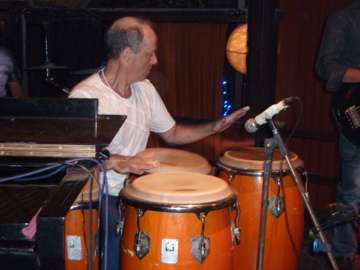
How to start (or to continue) to play drums when you are over 40 years old
Does age matter when playing or performing drumming and percussion music? Yes and no.Many of us who have been playing for a while would obviously like to keep playing for a while. I myself am over 50 years old. I am constantly playing with players half my age and sometimes more. Of course there are… Read More »
-
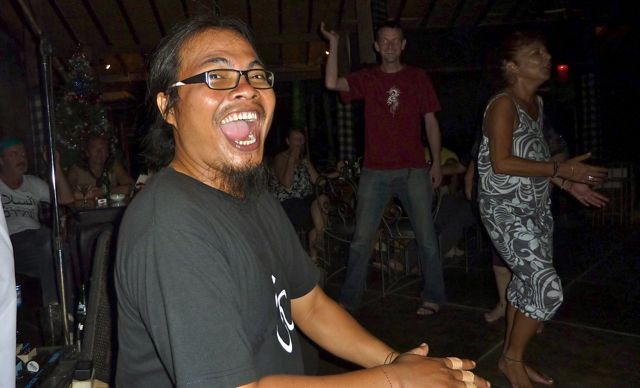
Having a hard time learning hand drums or djembe?
f you are like any of us that have been around the ethnic or world drumming and music scene for many years, then you may have experienced some hard times trying to learn the drumming, percussion or music from another culture. Please don’t get discouraged if you are trying to learn drumming and are having… Read More »
-
My djembe and conga training program for developing your drumming skills quickly
People often ask me about a training program. What could they do to improve their drumming and or improve more rapidly? I put together the following suggestions based on my own training program that I have followed for many years. Those of you who know me personaly know I am a bit of a fanatic… Read More »
-
How to practice quietly at home
Many people have written to me saying, “OK, I agree I need to practice, but where can I practice”? Maybe it is too cold to go out to the park, or you just don’t feel like dragging your drum around? Or maybe someone has complained about “noise”? I do not know how many times I have… Read More »
-
How to Play Congas: Very basic technique, position and tones
“With out strong framework the house will collapse’. In this ‘follow along” video/ conga lesson we will begin to explore how to position your hands and also how to make basic sounds on the conga drum. This is part one. For more info go to: www.michaelpluznick.com Read More »
-
How to Play Afro Haitian Rhythms: Yan Valu by M. Pluznick on Toca Elite Pro Series congas
How to Play Afro Haitian Rhythms: Yan Valu by M. Pluznick form an up and coming soon to be released “How to Play Congas” DVD! Wade Peterson (seconde) conga, Ben Issacs 6/8 long bell, boula (up beats with sticks) Ray Titus politos This is an example of how to play the Yan Valu rhythm pattern… Read More »
-
How to Play Congas: Very basic technique, position and tones
“With out strong framework the house will collapse’. In this ‘follow along” video/ conga lesson we will begin to explore how to position your hands and also how to make basic sounds on the conga drum. This is part one. For more info go to: www.michaelpluznick.com Read More »
-
Bali: Afro Cuban Folkloric drumming “comparsa” conga drum class
Excerpt from a recent Afro Cuban conga drum and percussion class given by Michael Pluznick in Raymond Rauchs art studio in Ubud Bali Indonesia. This video featurs the rhythm named “Comparsa” (aka “Conga) from Havana Cuba. Read More »
-
If you can say it you can play it!
There are many different ways to learn drums. Some people prefer an intellectual approach, to understand the breakdown or math of the part or pattern on the drum. The beats and dividing the beats. This is a western approach that really works for some people. These type of learners can not learn unless they first… Read More »
-
Congas: basic hand position and playing techniques
http://www.youtube.com/watch?v=D2sKnSbXkzA “With out strong framework the house will collapse’. In this ‘follow along” video/ conga lesson we will begin to explore how to position your hands and also how to make basic sounds on the conga drum. This is part one Read More »
-
Increasing your playing speed on any kind of drums
I often hear people, friends and students complain that they can not play as fast as they would like to. Watch any video of the top players in Africa or Cuba play and it is truly amazing. How do they do it? A key to playing fast is playing relaxed. This does not mean “sleepy”… Read More »