
Tag: conga solo
-
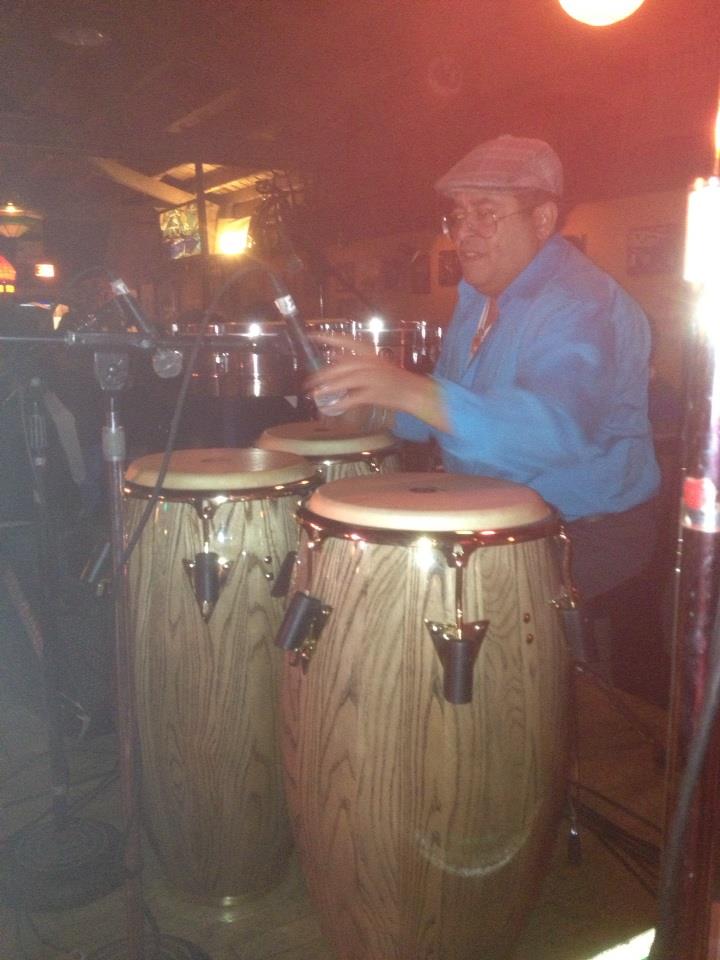
Giovanni Hildago, Zakir Hussain, Karamba Diabate And Our Group Rhythm Addicts, A Night To Remember
Last night was the celebration of the late Olatunji’s birthday. I am not sure how old he would have been. He was a man who changed my life and helped inspire me as well as countless others in the field of percussion and beyond. I was grateful to be part of an evening of celebration… Read More »
-

How To Play A Conga Solo By Yourself With A Band
A conga student asked me recently, “how do I take a solo when I am playing with a band and the band stops, and I am left by myself? No one else is playing, it is just me”? This is a great question and here is how I do it. Read More »
-
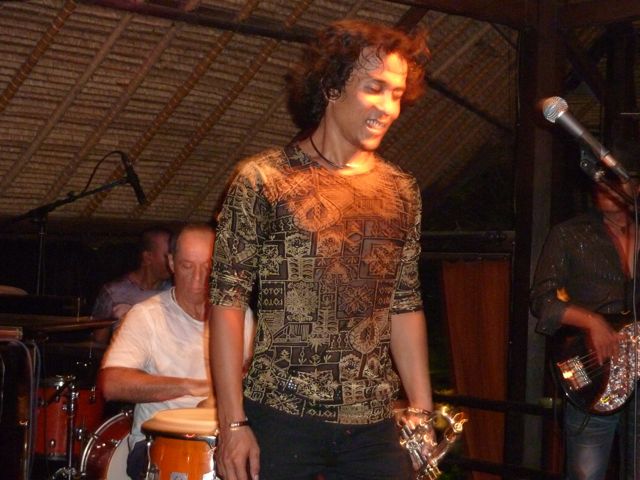
Playing cold at a hot gig in Bali, Indonesia
What do you do when you are completely cold and suddenly have to play hot? Last night the islands best trumpet player performed with his band at Bali’s version of Yoshis called interestingly enough, Ryopshi’s! Any coincidence? Great sushi and great tunes. Rio Sadik, the trumpet player, singer and “star of the show”, ( as… Read More »
-
Bali: Afro Cuban Folkloric drumming “comparsa” conga drum class
Excerpt from a recent Afro Cuban conga drum and percussion class given by Michael Pluznick in Raymond Rauchs art studio in Ubud Bali Indonesia. This video featurs the rhythm named “Comparsa” (aka “Conga) from Havana Cuba. Read More »
-
Barabajaba: Rumba De Obatala “HD” @Big Buddha from ‘Rise Up’ CD
http://www.youtube.com/watch?v=Ol2cZ4kFxmU Barabajaba Percussion Ensemble from Puna on the Big Island of Hawaii and Bay Area California present Rumba De Obatala, a special tune off of the new Rise Up CD. Based on traditional afro cuban drum patterns. Filmed at Big Buddha Temple, Bo Phut, Koh Samui Island, Thailand. Orisha chants and vocals by Jesse Seyomour… Read More »
-
Space, the final frontier. Add a little space to your solo’s!
Space, the final frontier. Soloing concepts Most young soloists and even experienced players play too many notes. My suggestion is to approach drumming as a musical composition. In music, soloing is more about what you don’t play, then what you do play. I am talking about space. Phrasing and space. Space and phrasing. As Lao… Read More »
-
Barabajaba Live in Puna: “Maracatu”: Brazil meets Hawaaii!!
http://www.youtube.com/watch?v=gQ0nxASq1aY http://www.cdbaby.com/cd/barabajaba This video is: Barabajaba Live in Puna: “Maracatu” w/Lisa Dixon and her Brasilian dance group. Taken at a performance @ Kalani resort in Puna (Pahoa) Hawaii and it features Brazilian drum and dance with Boaz Hashimoto Martin playing lead drum *(quinto) or solo. Read More »
-
“Marineiro” by Barabajaba
http://www.youtube.com/watch?v=TnVPTExsuL0 This is new music from the new CD Rise Up by Barabajaba percussion ensemble located in Hawaii and San Francisco California. This video was shot at Kronkite beach near the Golden Gate Bridge by Michael Pluznick on his new Nikon D70 digital camera. http://www.cdbaby.com/cd/barabajaba Read More »
-
Back in Bangkok
http://www.youtube.com/watch?v=VyItjggVpio This is my latest video with photos of Bangkok parks and streets. It features a new world/latin music piece entitled, Neuvo Rumbero from the Miles Dean CD by Michael Pluznick and Joel Lindheimer, and also features Bill Ortiz from the Santana band on trumpet as well. You can listen to or buy this tune… Read More »
-
“La Mar” from the new CD “Miles Dean” by Michael Pluznick
This song is called La Mar , new world music and ethnic jazz by percussionist michael pluznick and guitarist joel lindheimer from the new CD, “Miles Dean”. The photos were taken in and around Northern California and beyond. Read More »