
Tag: conga
-

Conga Drums I Have Known And Loved-the Best Conga Drums ever!
I recently came across a post with a photo of some vintage and very rare conga drums I had sold to a local guy in California, only to discover later that they had found a new home in a museum. Quite frequently I see my drums, or what used to be my drums on posts… Read More »
-

The Djembe Drum And Conga Drum is a real musical instrument and not a toy!
Did you know that in Europe in many places when the percussion masters perform thousands of people pay to come and see them play. Thousands. They are not “sitting in” or playing for free. They are respected. You can see video after video on Youtube. It is amazing. Why not in the USA? Try to… Read More »
-
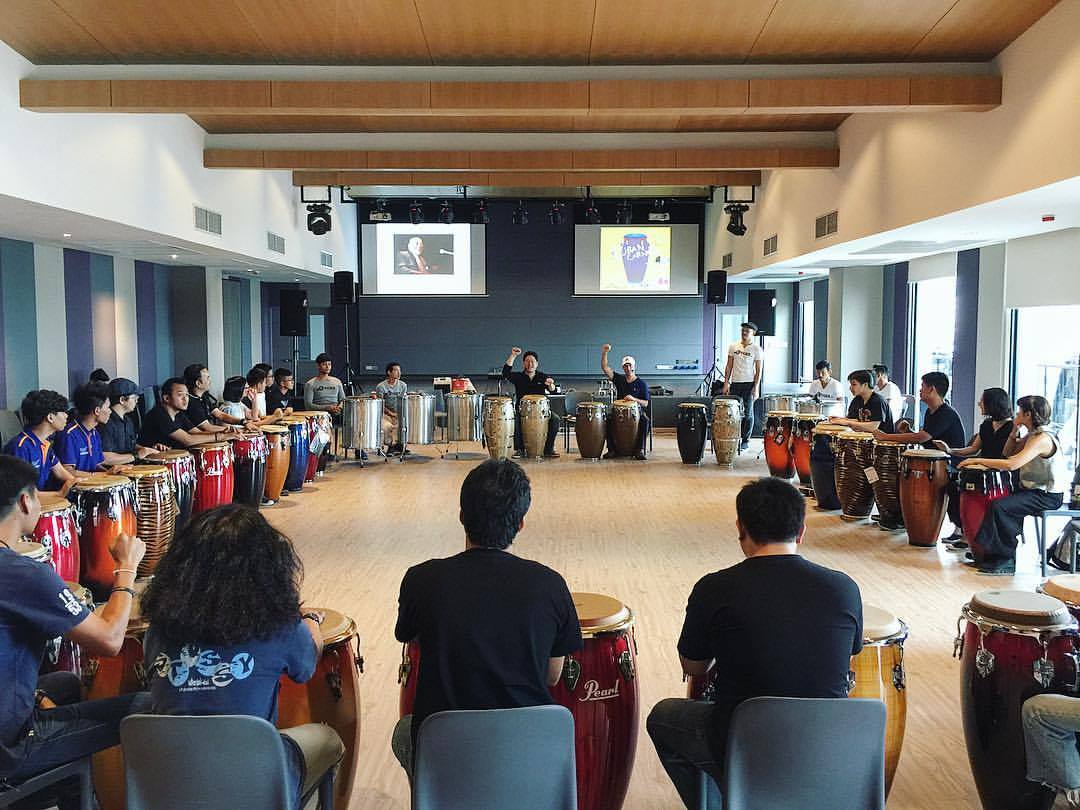
Learning how to stay in time, practice tips for beginners Part 1
A lot of people ask me how to improve their rhythm when they are drumming or learning to drum. Everyone has to start somewhere and there are definitely things to do that can help us improve. A fun way to play, improve, learn to “lock in” and sit in a groove is to play along… Read More »
-
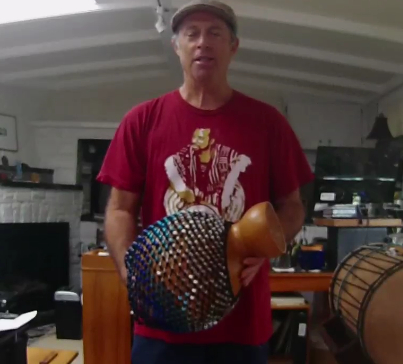
Sometimes it takes a long time to learn how to play like yourself”
“Sometimes it takes a long time to learn how to play like yourself” Quote by Miles Davis. The drum like any other instrument is a life long study. We don’t reach a point and suddenly say “I am there” and stop studying and learning. Technique and your personal sound is something that is always being… Read More »
-
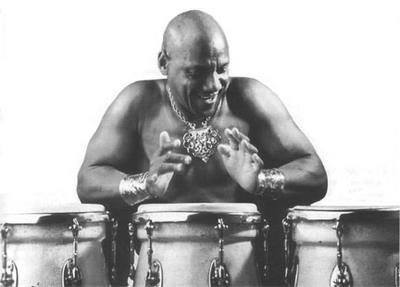
Developing Your Talent On Djembe, Congas And Bongos
I truly believe that talent is something that for may of us can be developed with hard work, love and practice. Sure there are naturals. But many of the people you see on the internet and on Youtube did not pop out of their momma’s womb playing drums or music at a very high level. I… Read More »
-

What is a hand drum worth?
I am curious why a finely made hand crafted musical instrument like a hand carved djembe drum or artisan made conga drum or bongo should be looked at any differently then a Martin guitar in terms of value or price? I understand anything sold is market driven but I do believe it goes beyond this. No… Read More »
-
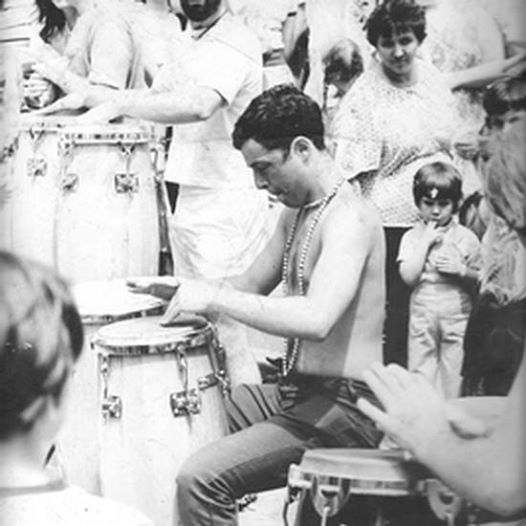
Now And Then, All Styles Relate To The One!
Then And Now~ Let’s Get It Together! When I first started drumming in the 70’s (for those of us not born into or of the drum culture), there was one general drummers informational grid or network, that is to say one large drumming platform or base of information that was available to the general public.… Read More »
-

Playing 5 Sets of Some of the Best Congas Ever Made
I am feeling very blessed and happy to have these drums to play and show you! Here today we have some of the nicest conga drums ever made. I made a simple demo video of myself playing these drums so you can get a feel for the all these different and wonderful drums. Of… Read More »
-

How To Learn Difficult Rhythm Compositions
People often ask me, “how do I learn a new djembe rhythm composition”? and say “I can never remember how the parts go in west african drumming”!. Memorization is indeed challenging for most of us. I would like to tell you how I do it and offer some suggestions that may be helpful and fun.… Read More »
-

Who Can Play The Drum? Everyone Is Welcome.
Who exactly can play drums? Is everyone welcome? I say if you come to the drum with respect, yes! Music is music. The drum is a musical instrument. Drumming is music and music see’s no colors, race or age. It is as simple as that. People may see that, (race, color, sex,age) and people may… Read More »
-

How About Existential Drumming For Those Deep Into Their Drumming?
Creatively speaking, once you have learned how to play your drum (well) all drumming is an experiment, the more experiments you make the better. I had a great teacher who told me, “your next mistake is actually your next creative idea”. The same impulse that creates the alleged mistake is the same impulse that creates… Read More »
-
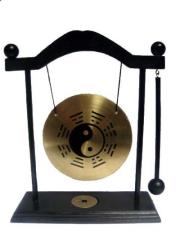
The Zen Of Drumming
1. Do one thing at a time. Learn one thing, one lick at a time. Play one instrument at a time. Work on one concept at a time. Learn one rhythm at a time. 2. Play it slowly and deliberately. With focus and intent. Start slow. Don’t speed up. 3. Play what every you have… Read More »